Experts agree the extreme weather event is on its way. It might be a strong one.
Colombia is bracing for an El Niño climate event which in a worst case scenario could bring heat waves, water shortages, bush fires and challenges to food and energy production.
The weather phenomenon, which starts with warming in the eastern Pacific Ocean but can cause droughts or floods across the globe, was predicted with 80 per cent certainty to start this month and extend into early 2027, said the U.N.’s World Meteorological Office this week.
There was a chance this year’s effects could be moderate to strong, said the WMO, triggering alarm across the globe.
“The world must treat it as the urgent climate warning it is. El Niño conditions will pour fuel on the fire of a warming world,” said UN Secretary-General António Guterres, in a video statement.
Historically, Colombia has been one of the countries first affected by El Niño, with failing wet seasons and lack of rainfall in during the cyclical weather pattern that repeats every two to seven years.
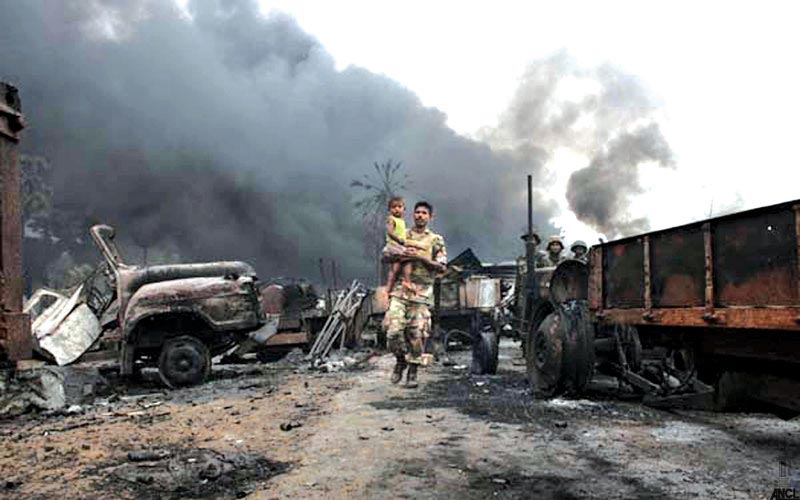
The last severe El Niño, which started in late 2014 but extended into early 2016, sparked bush fires which consumed 188,00 hectares (465,000 acres) of forest and saw a historic rise in food prices as temperatures rose an average of 2.4 degrees.
And the last recorded El Niño, in late 2023, led to water rationing in 500 municipalities across the country including 12 months of rotating water cuts in Bogotá as the city’s main reservoirs ran dry.
A “super” El Niño?
Most at risk in Colombia from El Niño impacts were the Andean and coastal regions, Colombian climate expert Christian Euscátegui told The Bogotá Post this week.
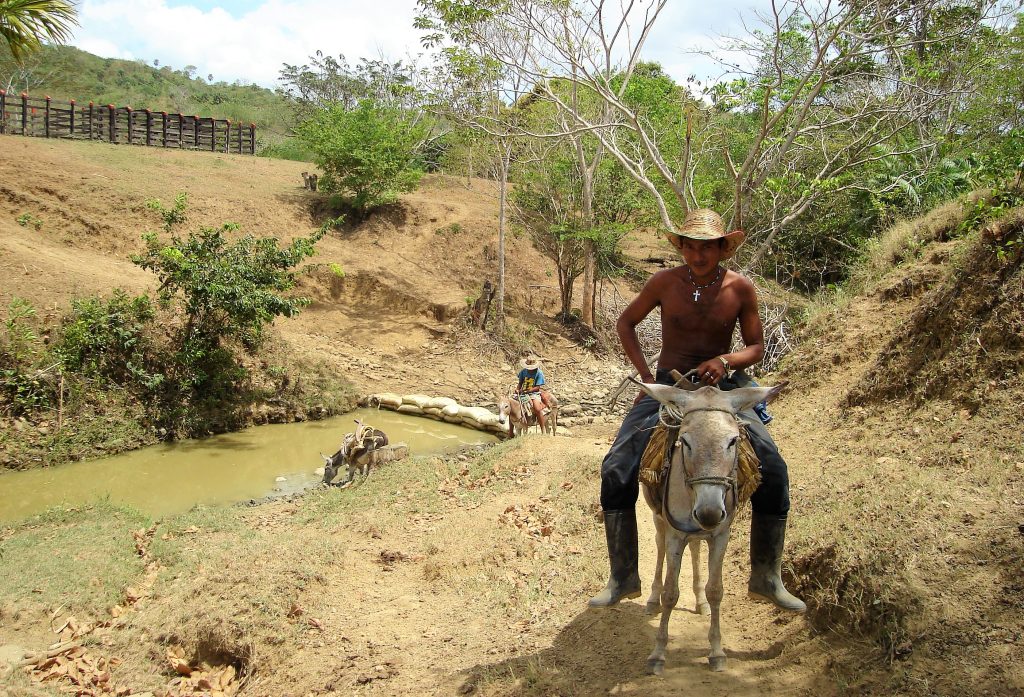
“When added to Colombia’s climate changes, a strong El Niño could cause problems by the end of the year, and early next year, with lack of rainfall, droughts and forest fires,” he said. Departments most at risk from extreme temperatures included Huila, Tolima, Cordoba and César.
But Euscátegui also warned against describing the current phenomenon as a “super” El Niño, a phrase coined by the Colombian media but so far unconfirmed by hard data, he said.
While an El Niño was forming, it would take several months more of analysis of ocean and atmospheric data from the Pacific Ocean to classify the event as “strong”.
“I’m not saying we shouldn’t prepare. Clearly, we should. But so far these terms aren’t appropriate,” he said.
A clearer picture would emerge with the wet season expected in western Colombia in October and November, he said. A peak El Niño at the end of the year could reduce rainfall affecting water supplies and hydro-electric dams which generate 75 per cent of the country’s electricity.
“From this moment on we need to preserve these resources and carefully analyze levels in the dams,” added Euscátegui.

The water bell
Last month areas of Colombia were already reporting extreme weather with heat waves reported mostly in coastal and lowland regions.
In May, IDEAM issuing a red alert for daytime temperatures in the coastal department of Córdoba with thermometers tipping 46°C (115°F) in towns like Montería. People there were advised to stay hydrated and avoid being outdoors in direct sunlight between 10am and 4pm.
And in inland Tolima, the departmental education department reorganized school schedules to avoid exposing students to extreme temperatures, started classes at sunrise and scheduling more regular breaks to beat the heat.
According to a report on Blu Radio, teachers were ringing the campana de agua – water bell – every hour so the entire school could stop and hydrate, with parents obliged to send children to school with full water bottles.
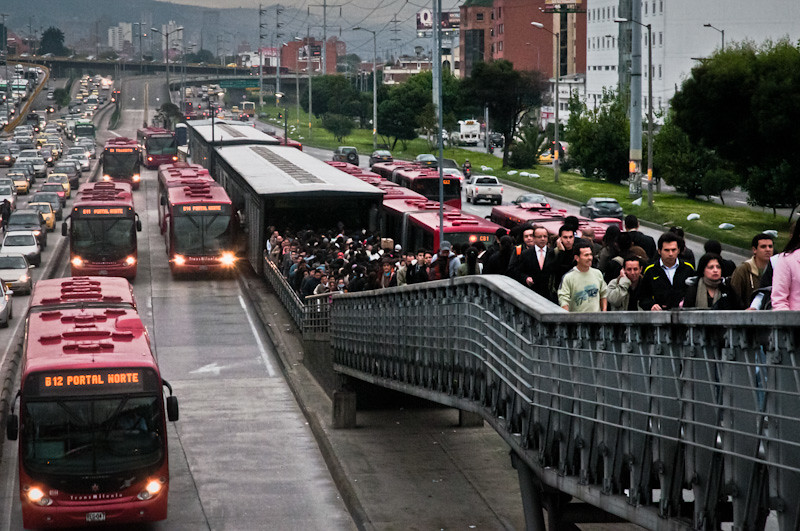
Bogotá was also preparing for drought conditions to avoid a repeat of the empty reservoirs and rationing that plagued the city after the 2023 -24 El Niño, according to the city’s water company EAAB.
Operations director Diego Montera told KienyKe TV that improved treatment plants were allowing the company to draw water directly from the rivers, putting less strain in the large reservoirs such as Chingaza which ran critically low in 2024.
“With these changes we can keep the reservoirs at their full capacity,” he said. “We are in much better conditions to cope with months of drought.”
Colombia was not alone in its concerns over El Niño. While one of the first countries feel its effects, along with Ecuador and Peru, a strong event could affect many continents, explained climate scientist Michael MacPhaden this week.
The researcher at the U.S.’s NOAA (National Oceanic and Atmospheric Administration) told a Deutsche Welle newscast this week that “the bigger the El Niño, the bigger the global impact”.
A Christmas boy child
ENSO, to give it its technical term (El Niño Southern Oscillation) is not a recent phenomenon: archeological evidence and artwork from pre-Columbian civilizations in South America show communities affected by episodes of extreme weather over thousands of years.
And the phrase ‘El Niño’ itself comes from 17th century Peru when fishermen noted ocean warming that affected their catch, usually around December, so named the irregularity El Niño de Navidad.
The event is triggered by a shift of Pacfic ocean currents that allows warm water to mass off the coast of South America. This in turn weakens trade winds that changes rainfall patterns. A converse situation with cooler-than normal ocean temperatures is called La Niña. From fossil evidence, both events are thought to date back millions of years.
But recent El Niños loaded onto global warming were creating even more extreme conditions, said MacPhaden. That could result in droughts or extreme flooding depending on the region.
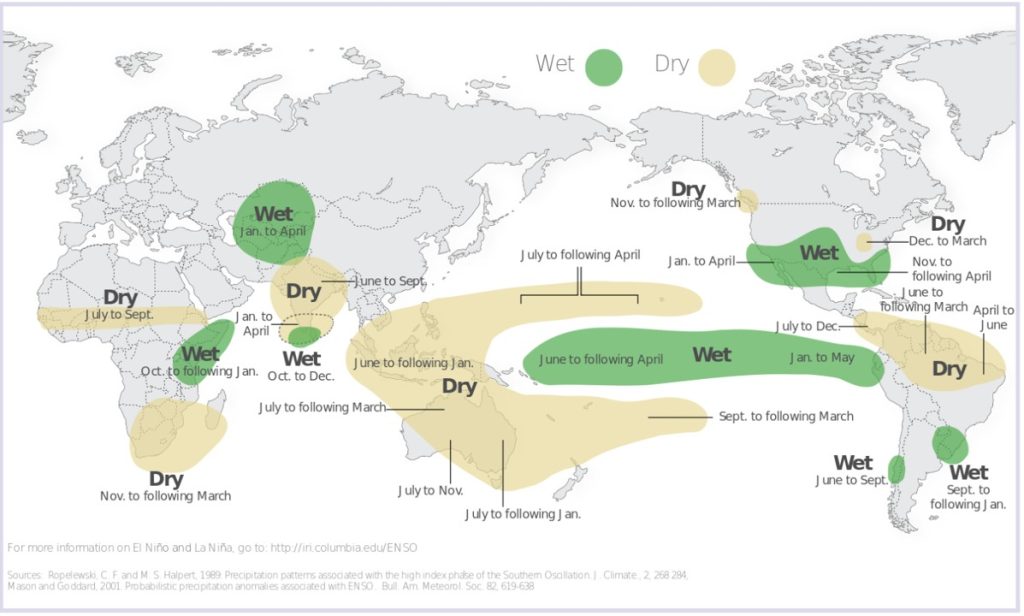
“Ground zero is the tropical Pacific rim region where effects are felt immediately, western South America, Australia, Indonesia and the Philippines.”
The North American continent, Asia and Africa would all be affected by a strong El Niño, said MacPhaden. Once under way, its global impacts were predictable, he said.
Historical data showed Australia and Southeast Asia more likely to face droughts, along with Colombia, Brazil and Venezuela. Meanwhile northern Peru and parts of Mexico and the U.S. saw excess rainfall and floods.
NOAA’s analysis of 2026 data from the eastern Pacific mirrored similar stats from the run-up to extreme El Niños of 1997 and 2015, he said.
McPhaden also cautioned against assuming a worst-case scenario. While conditions were currently “favorable” for a strong El Niño, he said, the vagaries of the planet’s climate could change the script.
“A lot could happen between now and the end of the year to derail it,” he said.