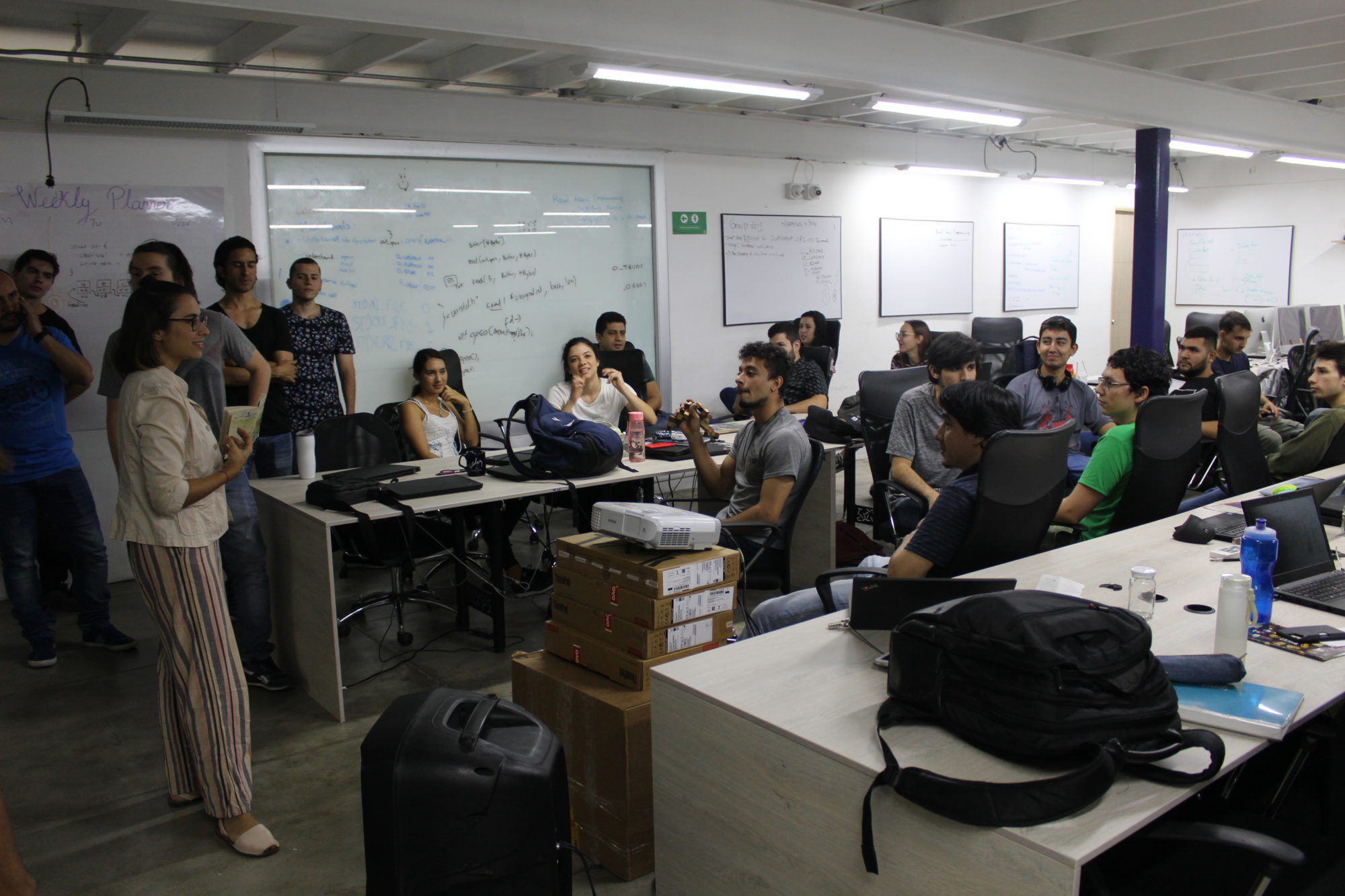
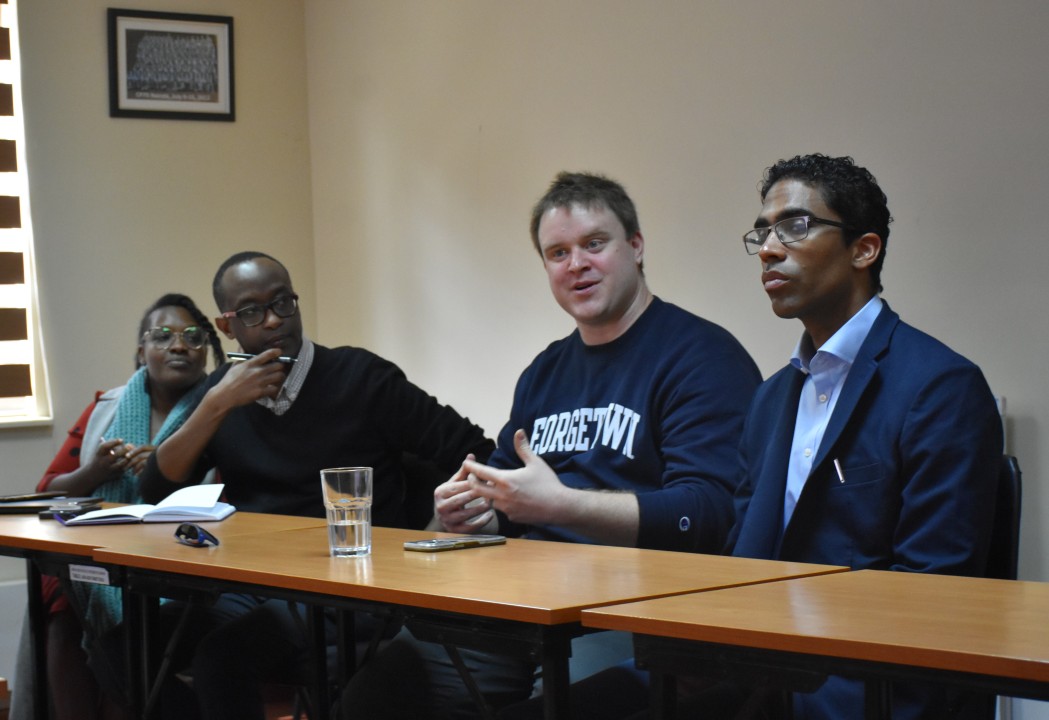
Techsphere 2026 opened this weekend in Medellín with a keynote on how quickly the ground has shifted under business intelligence, a theme the conference’s founder and CEO has been building toward since bringing the event to the city several years ago.
“We’re kicking off Techsphere today with a talk about the changing landscape and roles in BI, with the transformation that has happened in the past two years,” said Source Meridian CEO Mike Hoey, opening a conference that has grown from a modest gathering into a conference drawing close to 1,000 attendees last year.
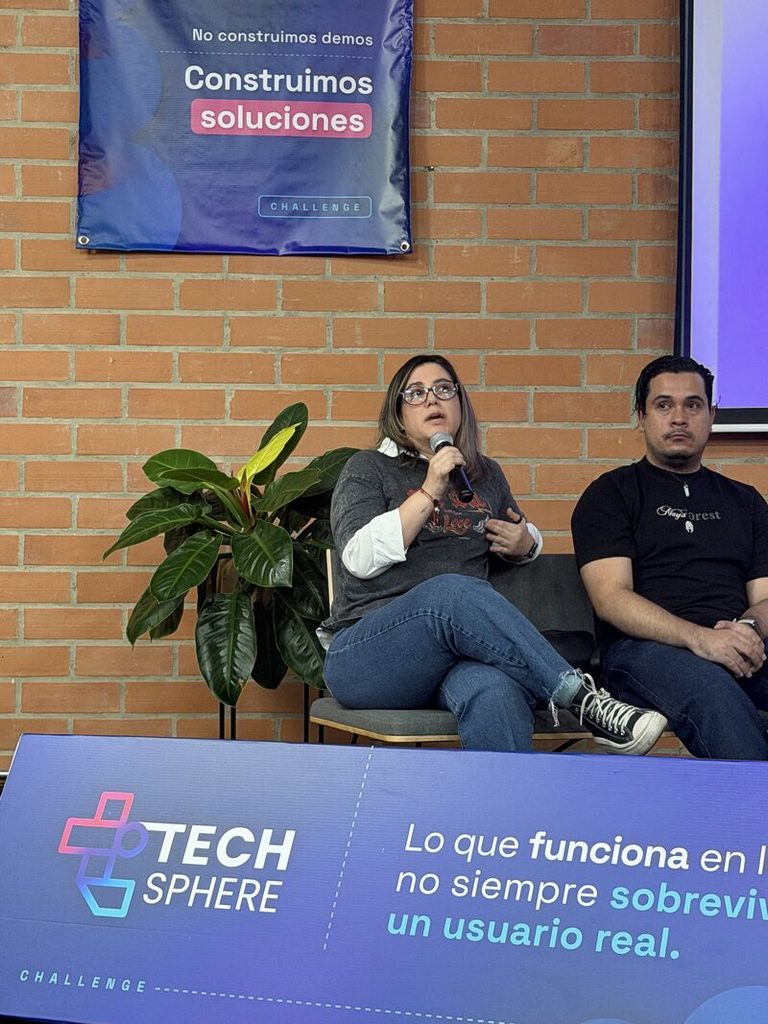
The founder, who has lived and worked in Medellín for 15 years, described the event as “a great opportunity to give back to a place that has done so much for me.”
That personal framing matters here. Medellín’s tech scene has spent the past two years arguing it deserves more attention than Colombia’s capital city of Bogotá typically gets, and the numbers back some of that up.
Medellin now counts roughly 698 active technology-based companies, according to the Colombia Tech Report 2026 by KPMG, a 28.5% jump from 2024, and in May it cracked the global top 130 for the first time in StartupBlink’s Global Startup Ecosystem Index.
Separately, StartupBlink has ranked Medellín first in Latin America for startups per capita, ahead of Bogotá, São Paulo and Santiago. The gap that still stings locally: the region Antioquia generates something like 30% of Colombia’s startup activity but pulls in only about 6% of the capital invested nationally, most of which still lands in Bogotá.
That backdrop gave the opening keynote its edge. The transformation Hoey pointed to isn’t abstract industry chatter, it’s showing up in hard numbers from the analysts who track it.
Gartner’s 2026 predictions for data and analytics put a figure on how far the role of the BI professional has already moved: by year’s end, the firm expects 75% of hiring processes for data roles to require some form of AI proficiency assessment or certification, up from something close to none two years ago.
Headcount in data and analytics teams isn’t shrinking to make room for this shift, according to the same research: 45% of teams are expanding, against just 8% reporting cuts, suggesting the change is reshaping what BI staff do rather than how many of them there are.
For Medellín, hosting that conversation carries its own stakes. The city has spent a number of years promoting itself internationally as a nearshore alternative for U.S. and Canadian companies looking for time-zone-aligned technical talent, a pitch that leans heavily on exactly the kind of AI and data fluency Techsphere’s agenda was built around.
A conference that started small and now fills a room with visitors from outside Colombia does more for that pitch than another government report would.
For the event’s trajectory, quietly building over several years rather than arriving with a splashy launch mirrors the story Medellín has been telling about its own tech sector: less dramatic than Bogotá’s, better funded than it looks on the outside, and increasingly hard for the rest of the world to ignore.