Families move closer to justice over the downing of Avianca Flight 203, blamed on Pablo Escobar.
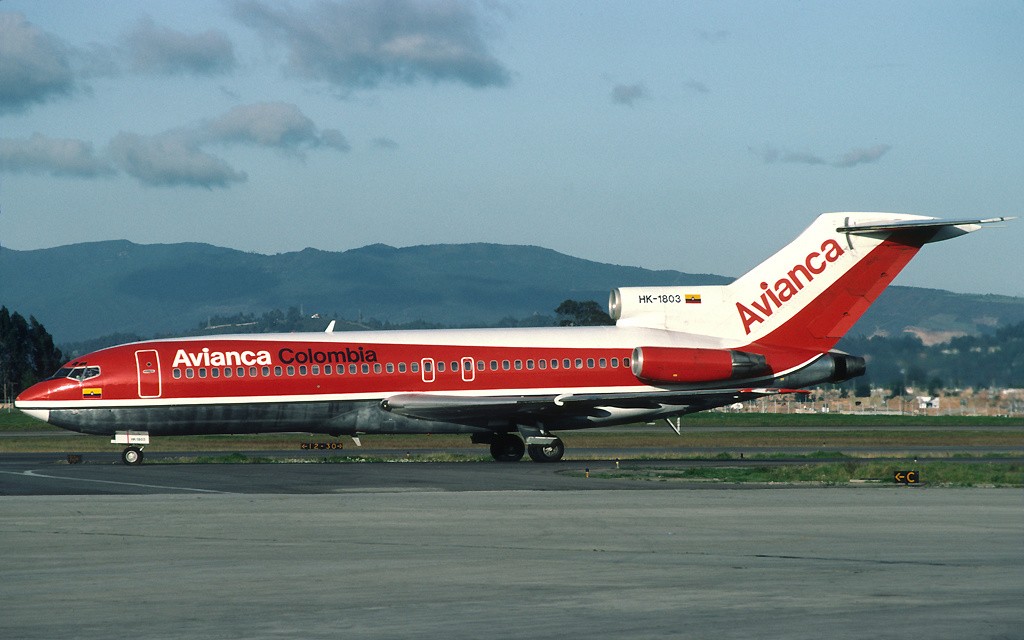
Colombia’s Congress held a hearing on Wednesday on the bombing of Avianca Flight 203 for the first time since it happened on November 27, 1989.
The explosion killed all 107 people on board shortly after take-off from Bogotá on its way to Cali, and has been widely attributed to Pablo Escobar’s Medellin Cartel.
Families have long demanded truth, justice and reparations for the attack, considered one of Colombia’s deadliest acts of narco-related violence.
The hearing, held as a political oversight session, focused on truth, justice, memory and reparations for victims of narcoterrorism.
The Attorney General’s Office has led the investigation for decades, but families say the process has been “painfully slow.”
“It is a case that remains in a preliminary stage, as if it had happened this morning,” Gonzalo Enrique Rojas Peña, son of one of the victims, told The Bogotá Post.
Rojas was 10 years old when his father, Gonzalo Hernán Rojas Castro, was killed. He now represents families of victims of the bombing.
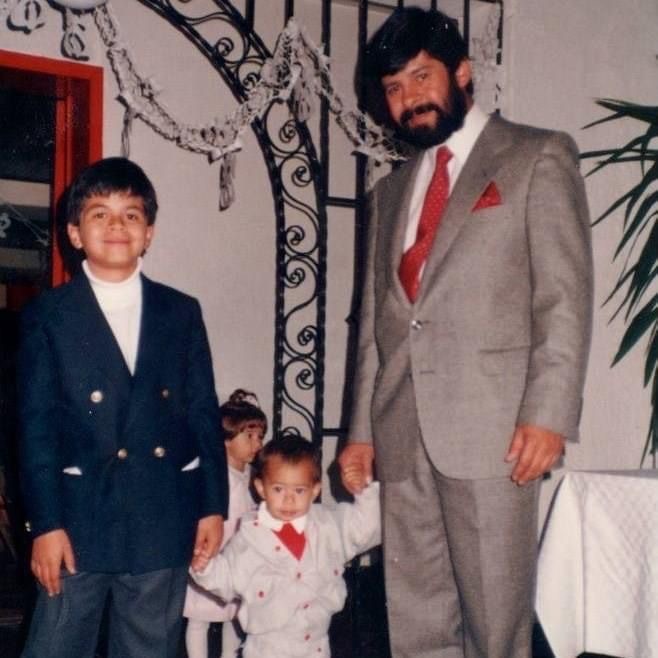
“Many aspects have not been clarified by the state, particularly regarding who planned and carried out the attack, and the possible involvement of other actors,” he explained.
The hearing highlighted questions that remain unanswered, including the identity of all those responsible and the current status of investigations.
Authorities initially attributed the attack to an assassination attempt on presidential candidate César Gaviria, who did not board the plane on the advice of his security team.
Later investigations concluded that a young man boarded the plane with explosives under orders from the Medellín Cartel, one of the most violent drug trafficking organisations in Colombia’s history. Questions around the case, however, persist, and victims continue to seek justice.
Just one person was jailed for the attack: Dandeny Muñoz Mosquera, known as “La Quica”, who was sentenced to three life terms in the United States, although he has repeatedly denied involvement.
The session was convened by the Human Rights Commission of the Chamber of Representatives and led by Representative Juan Daniel Peñuela. The National Centre for Historical Memory, the Victims’ Unit and the Ministry of the Interior were present, alongside families of victims, many of whom spoke about their loved ones.
However, two key institutions — the Attorney General’s Office and the Special Jurisdiction for Peace (JEP) — did not attend, despite being formally invited.
“On one hand we had two national institutions, but on the other it was unfortunate that the Fiscalía and the JEP did not attend. It is unfortunate that responses remain very ambiguous,” Gonzalo said.
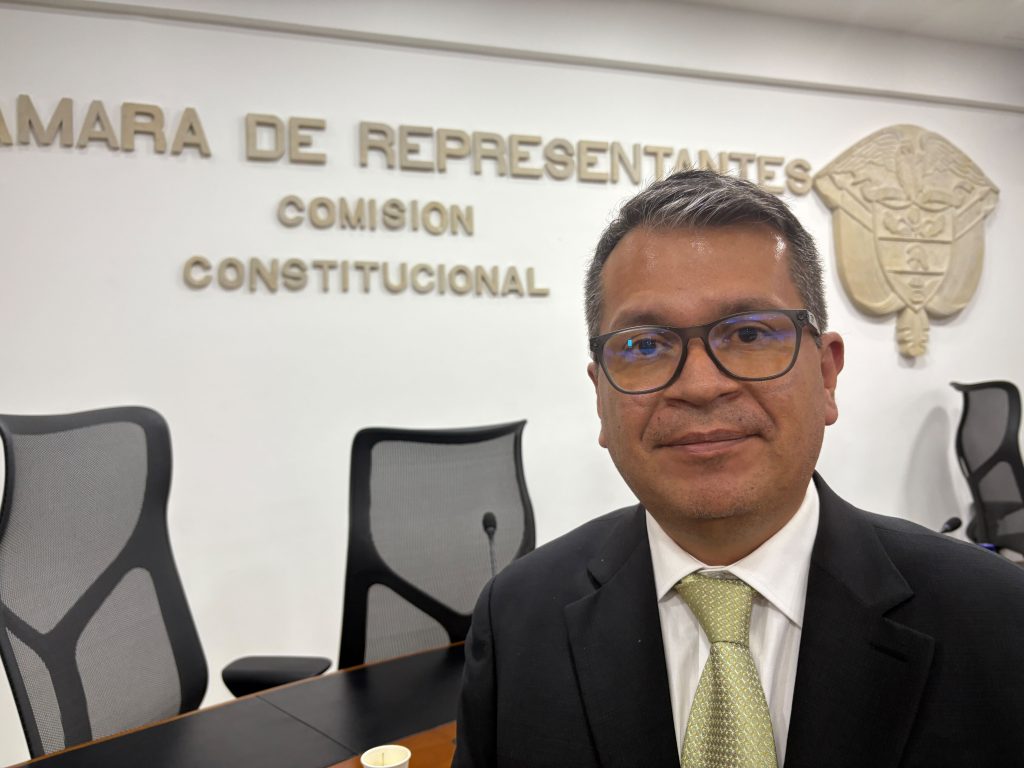
The hearing also addressed the issue of reparations, which families say they have spent decades waiting for.
The Victims’ Unit said it will convene working groups to address long-standing gaps in registration and documentation that affect families’ access to reparations under Colombia’s 2011 Victims Law. The law provides recognition, financial compensation, symbolic measures and psychosocial support for victims of armed conflict.
Claudia Peñón was 17 years old when her father was killed on the flight in 1989.
“He was an excellent man and a hardworking man. He had the hope of seeing me graduate from high school, and he never got to do that,” she told The Bogotá Post, adding so many people’s lives were shattered that fateful day. “One hundred and seven families’ lives were left shattered. One hundred and seven families had their dreams destroyed.”
Her mother always expected answers, but died ten years ago without receiving them or reparations.
“She never got to see real restitution, never got to see justice in that situation. And honestly, so many other families have been failed too — and we’re still fighting,” she said.
Families are also pushing for stronger memory-building efforts.
While there have been initiatives to recognize victims of armed conflict, the history of narcoterrorism has often been marginal in official narratives.
During the hearing, the National Centre for Historical Memory said the case has not yet been developed as a dedicated exhibition in Colombia’s planned Museum of Memory. It is included in broader reports and timelines, but could still be incorporated through a future “memory initiative”.
The hearing triggered formal follow-up steps from state institutions.
Congress will send official requests to the Attorney General’s Office over its absence and may refer the matter to the Procuraduría for review.
But for many families, the session underscored a deeper reality: after 37 years, there has been no new judicial breakthrough and no clear path to resolution.
“I think the day was partially positive,” said Gonzalo. “I feel calm that other families were able to have a space to receive more information about the case. But there is still more to do.”