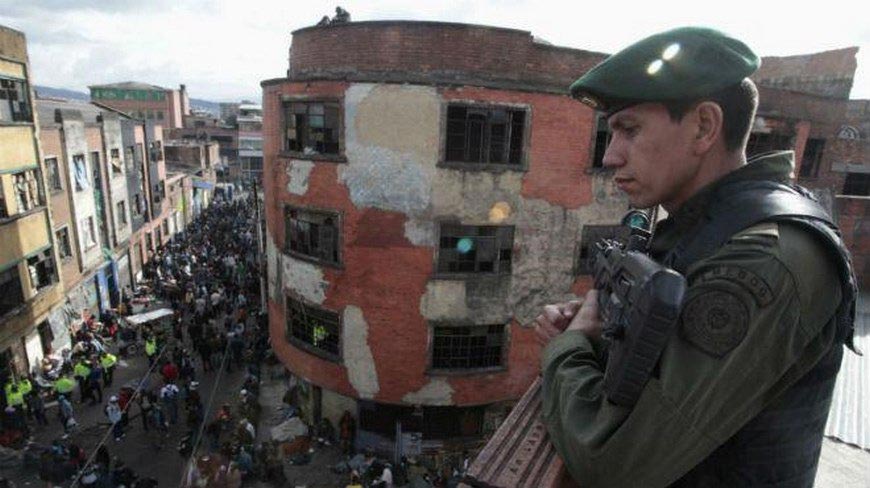
Heard about the 2026 Colombian presidential election first round this weekend? Confused about what exactly is going on? Our guide clues you in on who’s running and what’s likely to happen
The 2026 Colombian presidential election enters its first round this weekend, with the election taking place on Sunday 31st May. If no one takes an overall majority, the run-off will take place three weeks later. It feels like a lifetime since the house elections in March and candidates have been furiously jockeying for position over the last few weeks.
At the moment, continuity candidate Iván Cepeda leads polling, with the rightists split between traditionalist Paloma Valencia and outsider Abelardo de la Espriella. The centre is currently more or less absent. Read on for more information about the candidates, the political backdrop and potential outcomes.
The polls are open from 8am until 4pm on Sunday 31st June for all Colombian nationals wherever their cédula is registered. Counting is usually very fast with the results being clear before sundown. Land and fluvial borders will be closed for Colombian nationals tomorrow morning, although foreigners can cross.
Bogotá will enter ley seca earlier than usual, meaning no alcohol sales in bars, restaurants or shops from 6pm Friday night to Monday midday. That applies for everyone, so no representation or boozing for foreign residents, unless you do it at home. Ciclovía will also be cancelled for ease of access to polling stations.
Who are the runners and riders in the 2026 Colombian presidential election?

Over time, the field has been whittled down to thirteen candidates on the official voting card. In reality, though, only three are at the races: Iván Cepeda, Abelardo de la Espriella and Paloma Valencia in order of current voting intention. Together, they account for around 80-90% of polling at the moment.
The left has been concentrated behind Cepeda, while Paloma Valencia has snaffled the centre-right position. Abelardo is the anti-establishment maverick. All the centrist candidates are languishing in the doldrums, with failed Bogotá mayor Claudia López and eternal candidate Sergio Fajardo the best of the bunch but both polling in low single figures.
Some interesting characters are in the also-run list. Santiago Botero has an incredibly aggressive position on crime: bullets for rapists and so on. Roy Barreras is running as a leftist alternative to Cepeda and Gustavo Matamoros represents the ecologist party of Colombia.
It won’t be third time lucky for Fajardo, who had probably the best thought-out manifesto on paper last time around. His brand of centrism is no longer en vogue and he’s announced his retirement from politics following this election.
Strangely, most of the country’s biggest parties are literally absent from the voting card. The Conservadores and Liberales dominated the last century but now don’t bother running candidates in the 2026 Colombian presidential election. Neither is there a Green candidate or a Cambio Radical candidate. Only Pacto and Centro Democrático are there.
There’s also the curious option of voto en blanco. Different from a spoiled vote, which is simply disregarded, this is an active protest. If it ranks highest in any race, then a rerun of the election must take place within a month with entirely new candidates and/or party lists.
Two candidates on the card have actually pulled out, Carlos Caicedo and Luis Gilberto Murillo. Any votes cast for them will be counted as spoiled, not for voto en blanco. Clara López pulled out earlier, which is why there is a blank space on the tarjetón.
What are the campaigns like?
The manifestos are terribly written, for the main part. There is a frankly shocking number of basic errors in most of them, suggesting that proofreaders weren’t asked to play a big part in production. Despite having had years to plan for this, it seems everybody chose to rush it instead.
Past the errors, there’s a generally low level of detail across all the manifestos. Vague numbers and targets are given with little to no consideration of how it will be achieved. That might lead one to suspect that there isn’t a high chance any of this will actually be stuck to, regardless of the outcome.
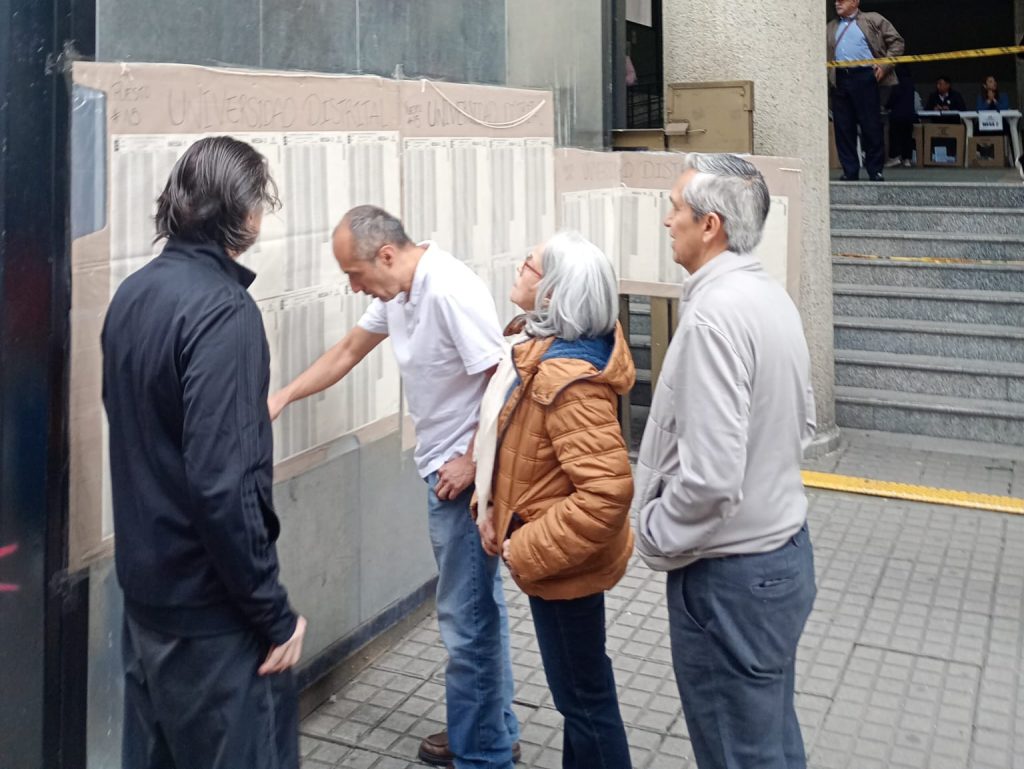
There has been no debate among all candidates. Even partial debates have been few and far between, with almost everyone preferring to stick to home turf where they have more control over questions and so forth. There’s been a host of negative publicity via influencer campaigns, with traditional electoral machines being somewhat sidelined.
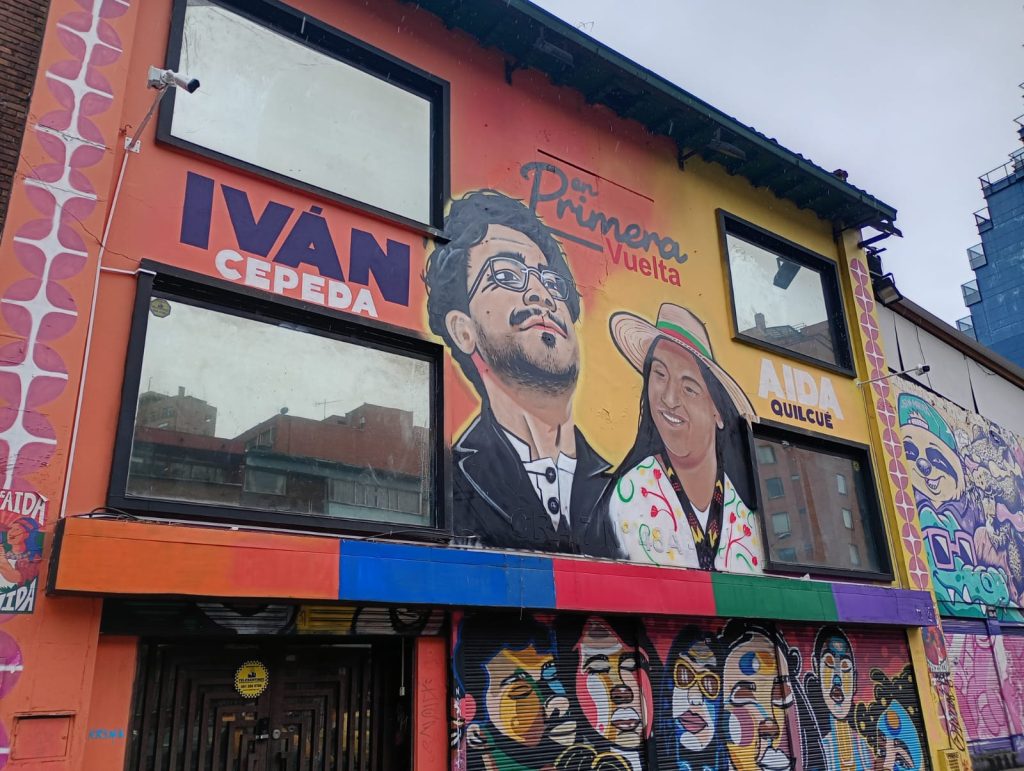
Iván Cepeda is the continuity candidate, promising more of the same and offering very few details in his actual plan de gobierno, despite it being 433 pages long. He’s had an unusual campaign, turning up to dozens of rallies but offering few interviews. In many ways, he’s not the draw for his campaign.
Read More: Candidate guide to Iván Cepeda
Abelardo de la Espriella has run a controversial and divisive campaign portraying him as the outsider. That’s won him voters and he’s peaking at the right time. His manifesto is long on ideas and short on detail. He’s frequently made inflammatory comments, being accused of sexism, homophobia and racism and often leaning into that.
Read More: Candidate guide to Abelardo de la Espriella
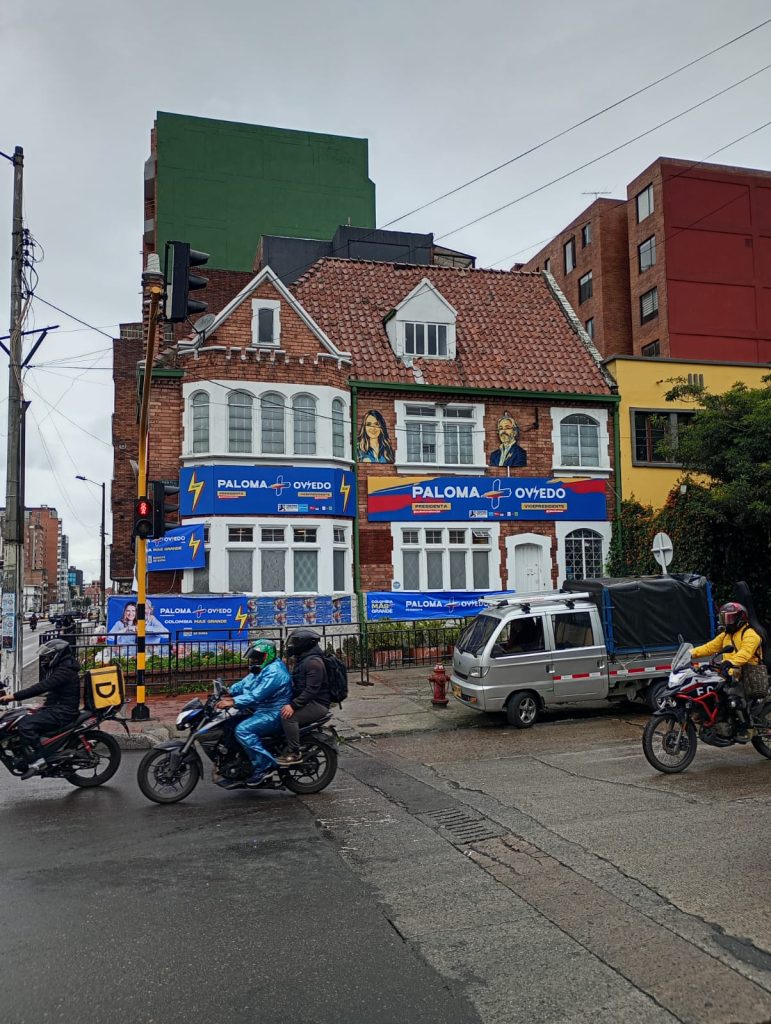
Paloma Valencia has been faltering over the past few weeks in particular. She’s done well to make traditional political alliances, but that could be an albatross for her. Having Uribe’s support might lose as many votes as it gains. Despite this, she’s still in the race and has by far the most detailed manifesto of the three main challengers.
Read More: Candidate guide to Paloma Valencia
It’s notable that a lot of the messaging is quite similar across the candidates. Cepeda is for los nadies; de la Espriella is for los que nunca. Both Valencia and Cepeda want 30,000km of new roads and are overshadowed by their political mentors. Paloma and Abelardo both want to turn the gas and oil taps back on.
They all support crop substitution for coca farmers and all claim to be anti-corruption. All of them support rural communities and home carers. With this level of agreement, a lot of the distinction that is being drawn is on personality and charisma, hence the two populists exploding in popularity.
So, who’s going to win the 2026 Colombian presidential election?
It’s anyone’s guess at this point, despite the polymarket predictions going wildly overboard in favour of Abelardo de la Espriella. That’s mainly from a certain type of punter that understands little about Colombian politics and is simply making a political statement via putting money on the rightist.
The last election was razor thin, with Gustavo Petro squeaking past Rodolfo Hernández (remember him?) with barely more than 50% of the vote, similar to 2018 when it went the other way for the current president. That’s very likely to be repeated more or less in full: the Pacto candidate dominating the first round then a very close run between the final two and one winning by a nose.
Iván Cepeda is absolutely nailed on for the second round, almost certainly in first place. Who joins him is a slightly more open question. At the moment, Abelardo has the momentum and is riding high in the polls. However, polling isn’t infallible and Paloma could sneak into second place.
More interesting is how many votes everyone gets. Cepeda will want 40% minimum, under that he’s probably in big trouble. If he can get over 45% he’s likely to win the second round. Anything in the middle and we’re into coinflip territory again. Note where the votes come, too. If Abelardo does well in Bogotá, a leftist heartland, that’s a good sign for him.
If Abelardo gets over 30%, he’s in a good position. If Paloma can get to that level, she’s going to be extremely happy. Those two candidates need to match Cepeda’s total at least in order to feel confident. If their combined vote share tops 50% then a rightist victory is likely.
The final numbers to keep an eye on are turnout and the centre vote. The latter will likely be 5-10% and could be crucial for the second round. The former should be over 50%. If it’s not, then the second round could be very unpredictable, especially if it’s two populists.
Looking ahead, it’s entirely possible that someone could win with under 50% of the vote in the second round. This has become an election that is already both polarised and unstable. It is likely to become very vicious in the next phase, too.
At best, many voters will be voting for their least-worst option in the second round. In recent years, Colombians have often cast negative votes rather than for a candidate they really support and this year is likely to be the same. Whoever wins, it will almost certainly be a loveless victory, despite their inevitable claims of popular support.